



















Dead Sea vs Epsom
Discover the best bath salt for your next restorative soak

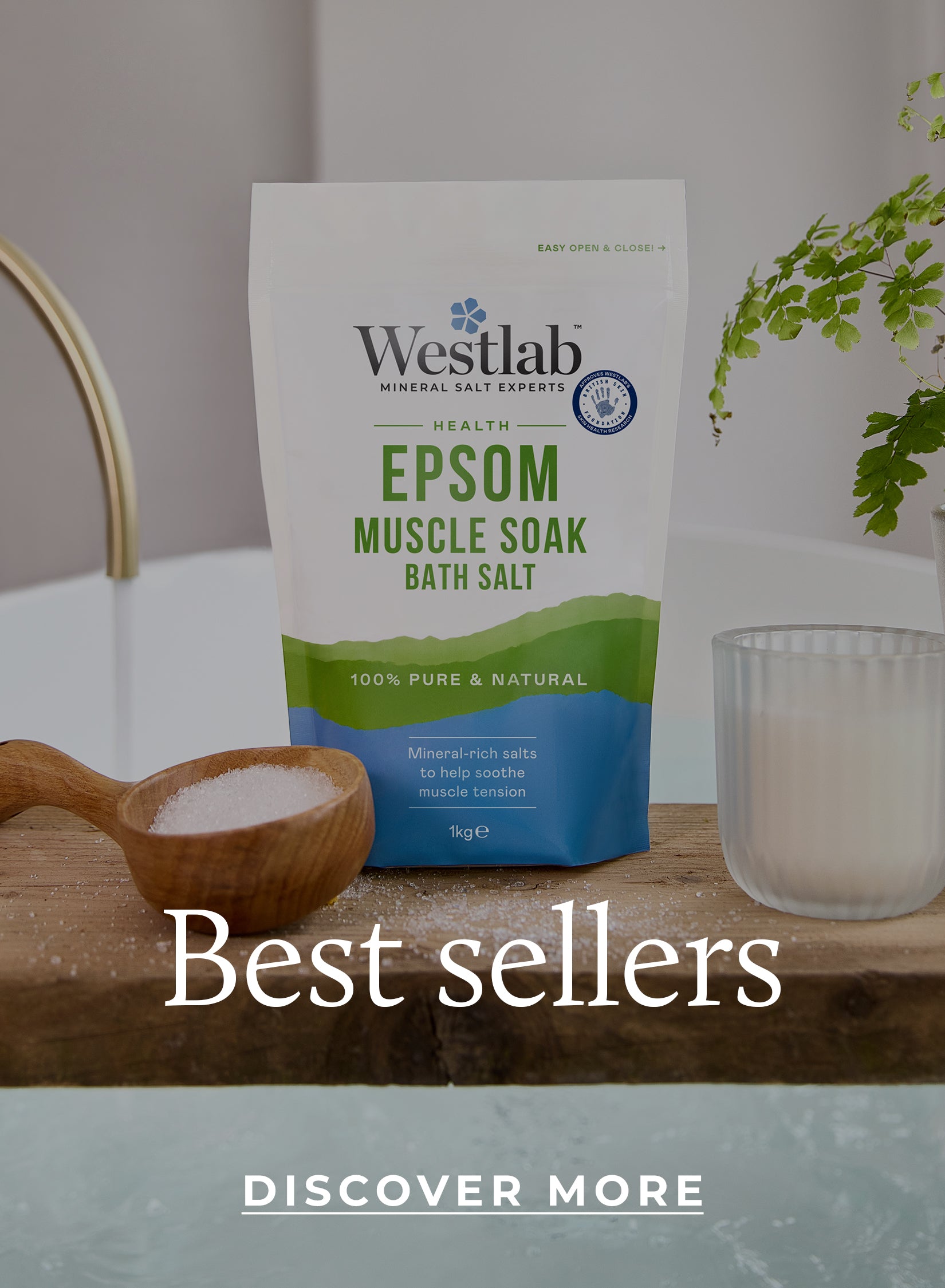
Epsom Bath Salts
The complete guide to Epsom salt: what it is, how it works and how to use it

Magnesium Bath Salts
The complete guide to magnesium flakes: what they are, how they work and how to use them

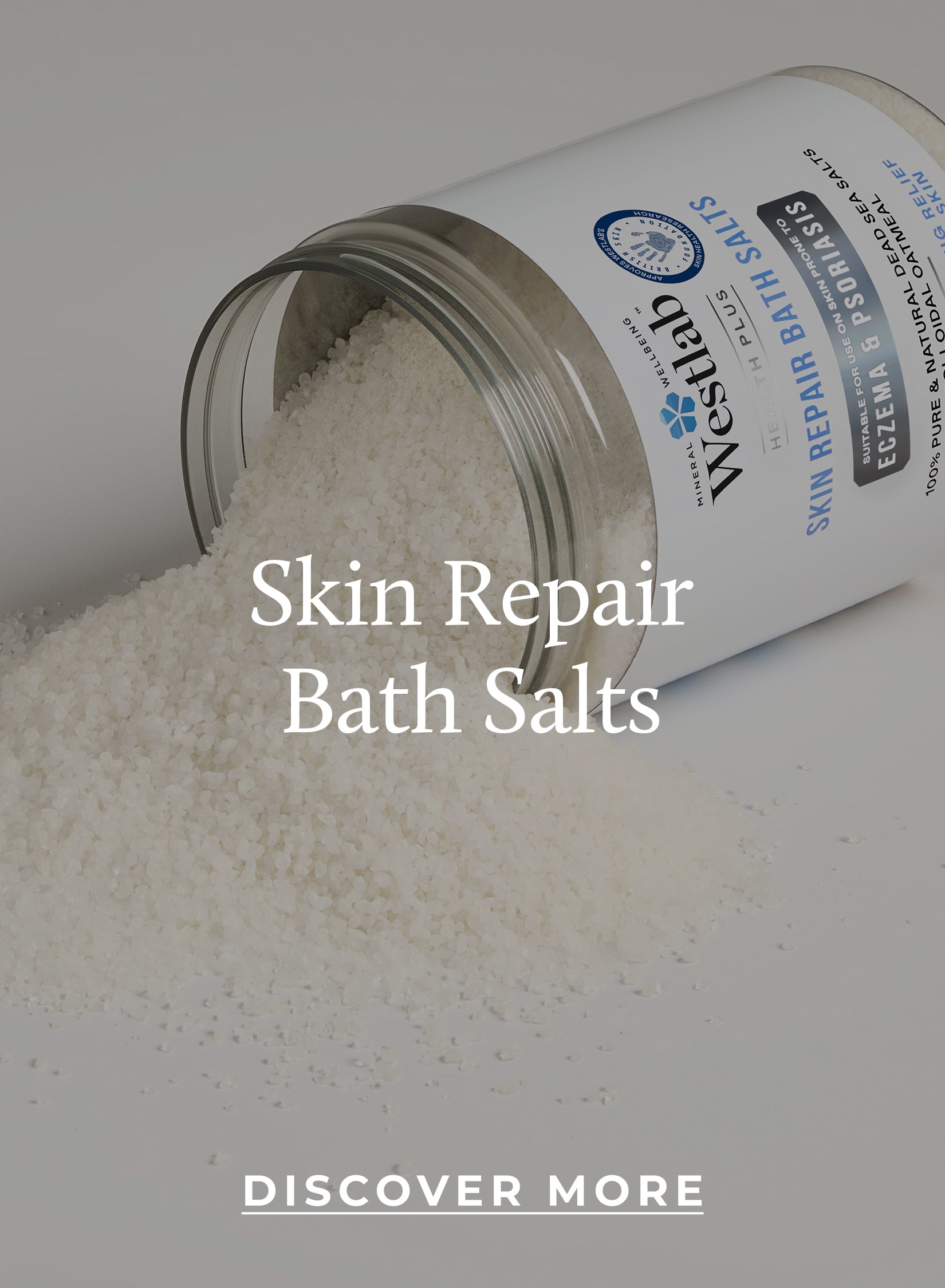
Dead Sea Bath Salts
The complete guide to Dead Sea salt: what it is, how it works and how to use it

MAGNESIUM
Whether you’re a long-time bath-lover, or new to the joys of a restorative soak, choosing the right bath salts can make all the difference. So let’s take a closer look at two of our mineral-rich favourites: Epsom salt and magnesium salt (sometimes known as magnesium flakes).
Epsom salt or magnesium flakes: which bath salt is right for you?
The short answer is, it depends. For a post-workout soak, Epsom salt is ideal for helping to soothe tired muscles and release tension. Magnesium salt on the other hand, is said to aid relaxation and sleep, thanks to its higher concentration of elemental magnesium.
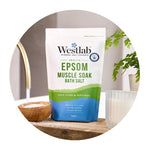
Epsom salts - Great for muscle recovery, aches and pains. Westlab Epsom Bath Salt is 100% pure mineral magnesium sulphate heptahydrate.
Magnesium salt - Great for helping to promote sleep and relaxation. Westlab Magnesium Flakes are 100% naturally sourced magnesium chloride hexahydrate.
What is Epsom salt?
First things first, it’s nothing like the salt you’d add to your food. Instead, it’s a naturally occurring mix of magnesium, sulphur and oxygen called magnesium sulphate. The name Epsom comes from the town in Surrey, England, where it was first discovered in a mineral-rich spring, back in the 1600s.
Epsom salt has been used ever since as a natural home remedy for aches and pains. Added to a warm bath or used to soak tired feet, it’s helped generations of busy people to unwind, recharge and get back to their best.
These days, it’s popular with runners and athletes, too. Working with warm water to help release tension and soothe tired muscles, an Epsom salt recovery bath after exercise can help your body restore, recover and recharge. So you’re ready to go again.
What are Magnesium flakes?
While Magnesium bath salt may sound similar to Epsom salts, there are a few key differences. Found in ancient lakes and seabeds, magnesium chloride is a naturally occurring blend of magnesium and chlorine.
Magnesium chloride flakes have a much higher concentration of magnesium than Epsom salt, which is why they’re a favourite with those seeking deep, restorative sleep.
Alongside the minerals, which are said to help regulate the nervous system and calm brain activity, the warm water and your favourite spa playlist also play a role in the relaxation.
More about Magnesium
Magnesium is having a real moment and it’s easy to see why. It plays a vital role in hundreds of processes throughout the body, from regulating the nervous system to aiding muscle function and sleep.
While magnesium is present in foods like spinach, almonds and dark chocolate, it’s likely many of us aren’t getting enough through diet alone. That’s why you’ve probably seen supplements sold to counter magnesium deficiency symptoms.
Signs of low magnesium include muscle twitches and cramps, fatigue and weakness, brain fog, headaches and low mood. And so, people are turning to magnesium for better sleep and relaxation.
It’s tricky to diagnose a deficiency though, as 60% of the body’s magnesium is stored in the bones rather than circulating in the bloodstream.
The chemistry bit
While both Epsom salts and magnesium bath flakes contain magnesium, their individual make-up is different – which is why they have distinct uses.
Epsom Salt
• Magnesium sulphate heptahydrate (MgSO4·7H2O) is a mineral compound made up of magnesium, oxygen, sulphur and water
• Not at all like table salt (before you try it on your chips)
Magnesium Salt
• Magnesium chloride (MgCl2·6H2O) is a mineral compound made of magnesium, chloride and water
• Magnesium chloride salt contains around five times the elemental magnesium of Epsom salts
Decisions, decisions: Epsom salt or magnesium salt?
While we love any excuse for a restorative soak, here’s our at-a-glance guide to help you reach for the right salt.
• Seeking deep, restorative sleep - Magnesium salt
• Struggling to switch off -Magnesium salt
• Need a post-workout wind-down? - Epsom salt
• Want to ease muscle soreness -Epsom salt
Simply put, for physical aches and pains, Epsom salt is probably best. For calming your mind and setting yourself up for better sleep, choose magnesium salt.
Because when your body is restored, everything feels possible again.
FAQs
How often should I use Westlab Epsom Bath Salt or Magnesium Flakes?
How much should I put in the bath?
Can you use Epsom salt and magnesium flakes together?
Does the bath have to be hot?
How long should I soak for?
When’s the best time of day for a bath?
Any tips for a relaxing bath ritual?
I’ve got sensitive skin – which salts are best for me?
Can children use Epsom salt or magnesium flakes?
Where does Westlab source its Epsom Bath Salt and Magnesium Flakes?
Where to find us...


